
I’m tired of this conversation.
Not mildly annoyed. Not rolling my eyes. Actually tired — the kind of tired that comes from watching the same bad argument resurface over and over again, even though it was settled decades ago.
The idea that humans didn’t go to the moon isn’t harmless curiosity. It isn’t healthy skepticism. It’s a claim that survives only because we’ve decided that nobody is ever allowed to be told they’re simply wrong.
So let’s start with clarity.
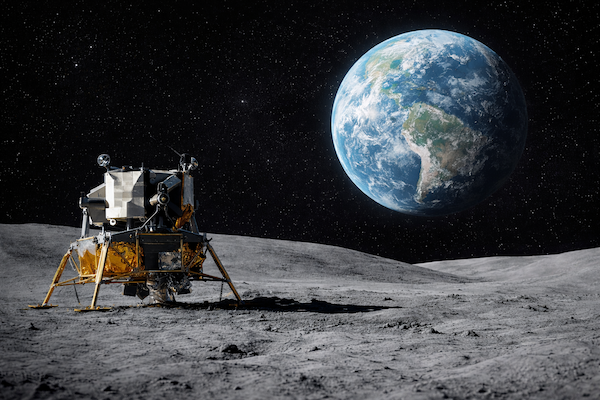
Humans went to the moon.
That’s not an opinion. It’s not up for debate. It’s a historical fact.
The Question That Ends the Argument
There’s one question that never gets answered by people who claim the moon landing was fake.
If the original landing was staged, why are we building a massive rocket to go back?
Why spend billions of dollars?
Why livestream tests that explode?
Why document delays, redesigns, and public failures?
Why involve international partners, private companies, and thousands of engineers?
If the goal were deception, none of this would be necessary.
You wouldn’t build hardware. You’d build a set.
Why the Hoax Theory Fails
The hoax theory assumes that tens of thousands of people — engineers, scientists, technicians, contractors, and even rival governments — have all maintained the same lie for more than fifty years.
That doesn’t reflect how humans behave.
That doesn’t reflect how governments work.
And it certainly doesn’t reflect how secrets fail to stay secret.
This isn’t skepticism. It’s fantasy.
And yes, it shares the same logic as flat-Earth thinking: reject evidence, elevate suspicion, and frame disbelief as insight.
“Just Asking Questions” Isn’t Enough
There’s a difference between curiosity and refusal.
Asking questions means being open to answers. Dismissing every answer that doesn’t feel exciting or validating isn’t critical thinking — it’s performance.
At some point, doubt stops being useful and starts becoming a shield against admitting you’re wrong.
The Reality Is More Impressive Than the Myth
Here’s the part that should actually inspire awe.
We went to the moon using computers less powerful than the device most people carry in their pocket today. We put humans into a fragile spacecraft, launched them beyond Earth’s atmosphere, landed them on another celestial body, and brought them back alive.
That isn’t suspicious.
That isn’t boring.
That’s extraordinary.
The real story is far more impressive than the fake one.
Why This Still Matters
The persistence of the moon-hoax theory isn’t really about the moon. It’s about distrust, media fatigue, and the growing habit of treating facts as optional.
When everything is framed as “just another narrative,” reality loses its footing. And when reality loses its footing, nonsense rushes in to fill the space.
That’s why it matters to say this plainly.
We went to the moon.
We left equipment there.
We still bounce lasers off reflectors placed on the lunar surface.
Other nations tracked the missions.
Physics supports it.
History confirms it.
This isn’t about winning an argument.
It’s about refusing to pretend that settled facts are somehow still unsettled.
And that’s exactly why this post belongs here.
Have something to say? We welcome your comments below — this is where the real conversation happens.
Each blog post is shared across our social transmitters, but those are just bigger antennas. The original source — and the signal we control — is right here on the blog. If you’re looking for other ways to stay updated on Rolling with Scissors, you’ll find our official transmitters linked below.
Spin the dial — we’re probably on it. Lock onto your frequency. Pick your favorite antenna below and ride the signal back to us.
0 Comments